Salt-baked beetroot
Whipped curd, native pepper leaf, toasted sunflower seed
Menu
Our menu shifts as ingredients move through their best weeks. The selection below reflects the style of cooking you can expect and may change as supply changes.

Kitchen notes
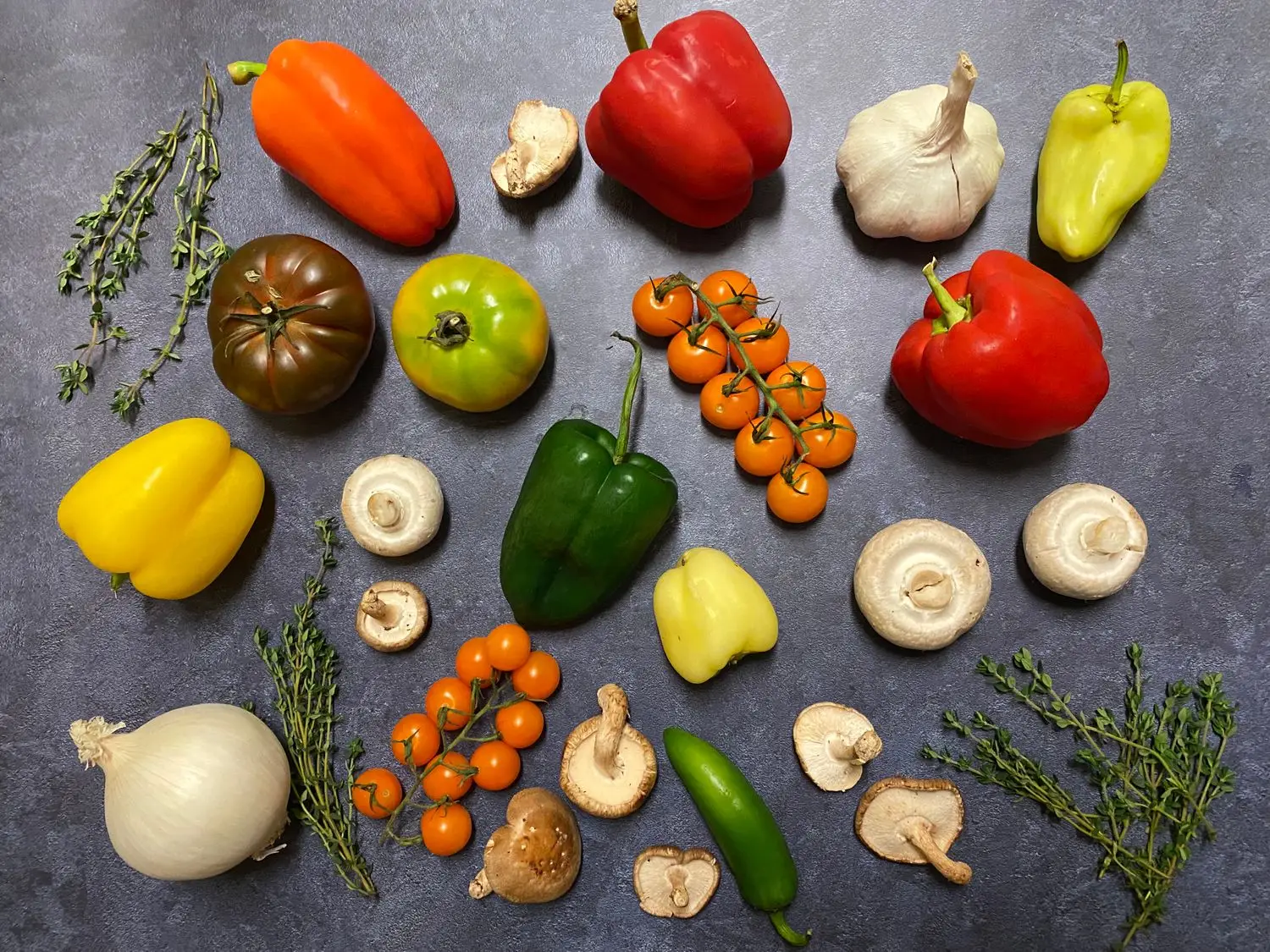
Our cooks work from whole ingredients and build sauces, stocks, dressings and garnishes in-house. When an ingredient changes, the plate changes with it. This keeps the menu responsive rather than forcing produce beyond its best moment.
Please tell us about allergies or dietary preferences when reserving. We can often adjust individual components with advance notice, although some preparations may have practical limitations.


How to order
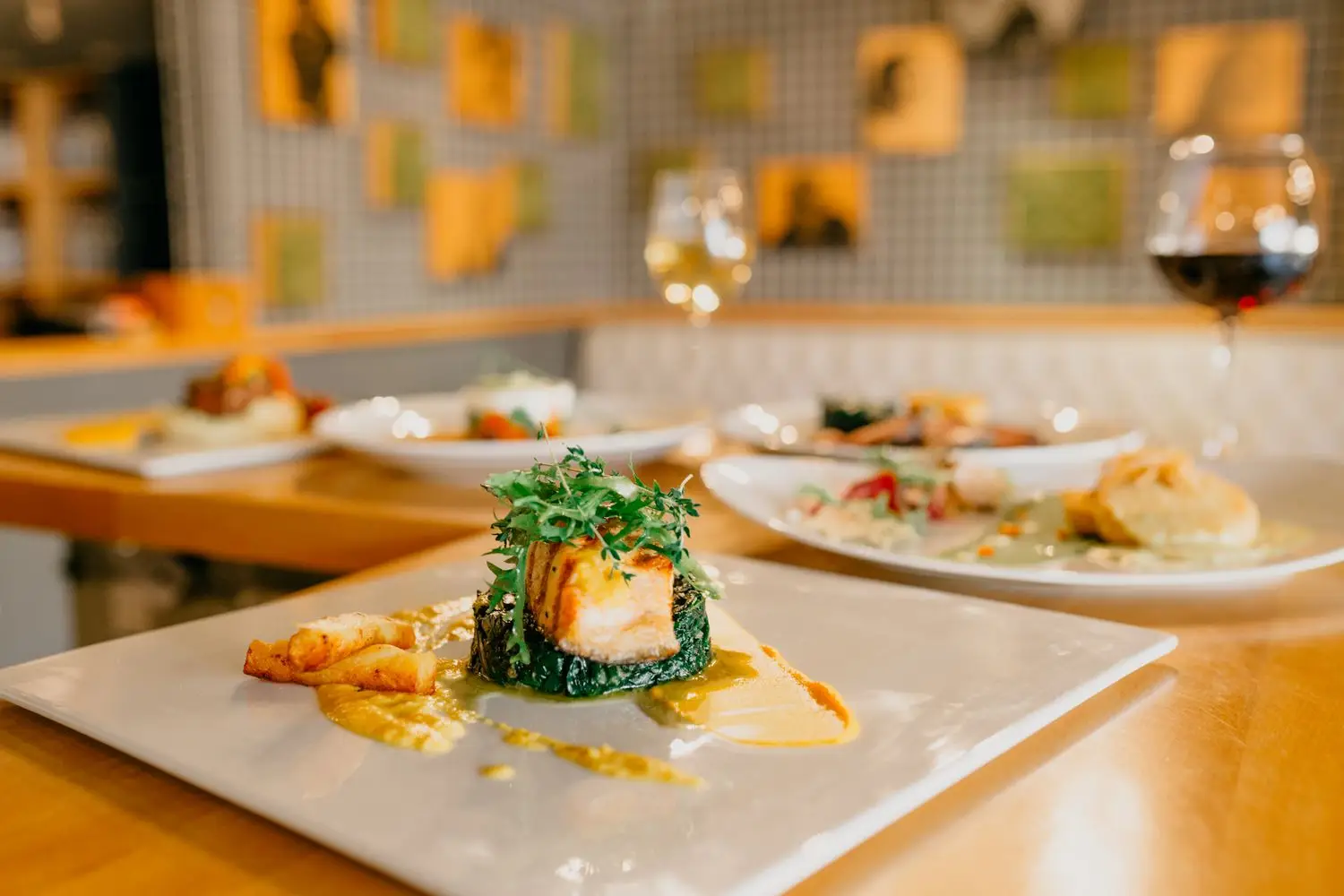
The menu is designed to work equally well as a compact lunch, a traditional sequence of courses or a shared selection for the table.
Choose one or two opening plates to introduce the season without overwhelming the main course. Fresh vegetables, chilled preparations and crisp textures usually lead the sequence.
Main plates can be ordered individually or combined with vegetable sides for a shared table. The service team can suggest quantities for the size of your group.
Desserts are built to feel complete without becoming heavy. Tea and coffee are also available if you prefer a simple end to the meal.
Seasonal rhythm
Seasonality is not only about changing names on a menu. It affects sweetness, acidity, texture, cooking time and how ingredients work together on the plate.
Fruit and vegetables are selected when their natural flavour and structure suit the intended preparation. A ripe tomato may need little more than careful seasoning, while cooler-season roots can benefit from slower roasting and deeper savoury elements.
We build dishes around contrast rather than excess. Richer elements are paired with acidity or fresh herbs, softer textures with crisp components, and stronger flavours with ingredients that keep the course clear and composed.
Availability can change between deliveries, so the menu is written to allow thoughtful substitutions. When an ingredient moves out of season, the kitchen replaces it with something that serves the same role instead of compromising quality.
Dietary conversations
Reservation notes are the best place to tell us about allergies, dietary preferences or ingredients you avoid. Advance information lets the team review components before service and identify which dishes can be adjusted without reducing their quality.
Some preparations are made ahead and cannot be changed safely or consistently once service has started. In those cases, the team will suggest a different dish rather than offer an uncertain substitution. Clear expectations are part of good hospitality.
For groups, sending dietary information together helps the kitchen coordinate the table and keep courses moving at the same pace. If requirements are complex, include enough detail in the reservation request for the team to respond before your visit.
Your table
Reservation requests can include guest numbers, preferred service time and dietary notes.