Season before sameness
We accept variation in size, colour and variety when it means produce has been harvested at a better moment.
About us
Quoravelladininga was created around a simple idea: careful food does not need to feel complicated. We bring serious attention to ingredients and technique, then serve the result with ease.
Our story
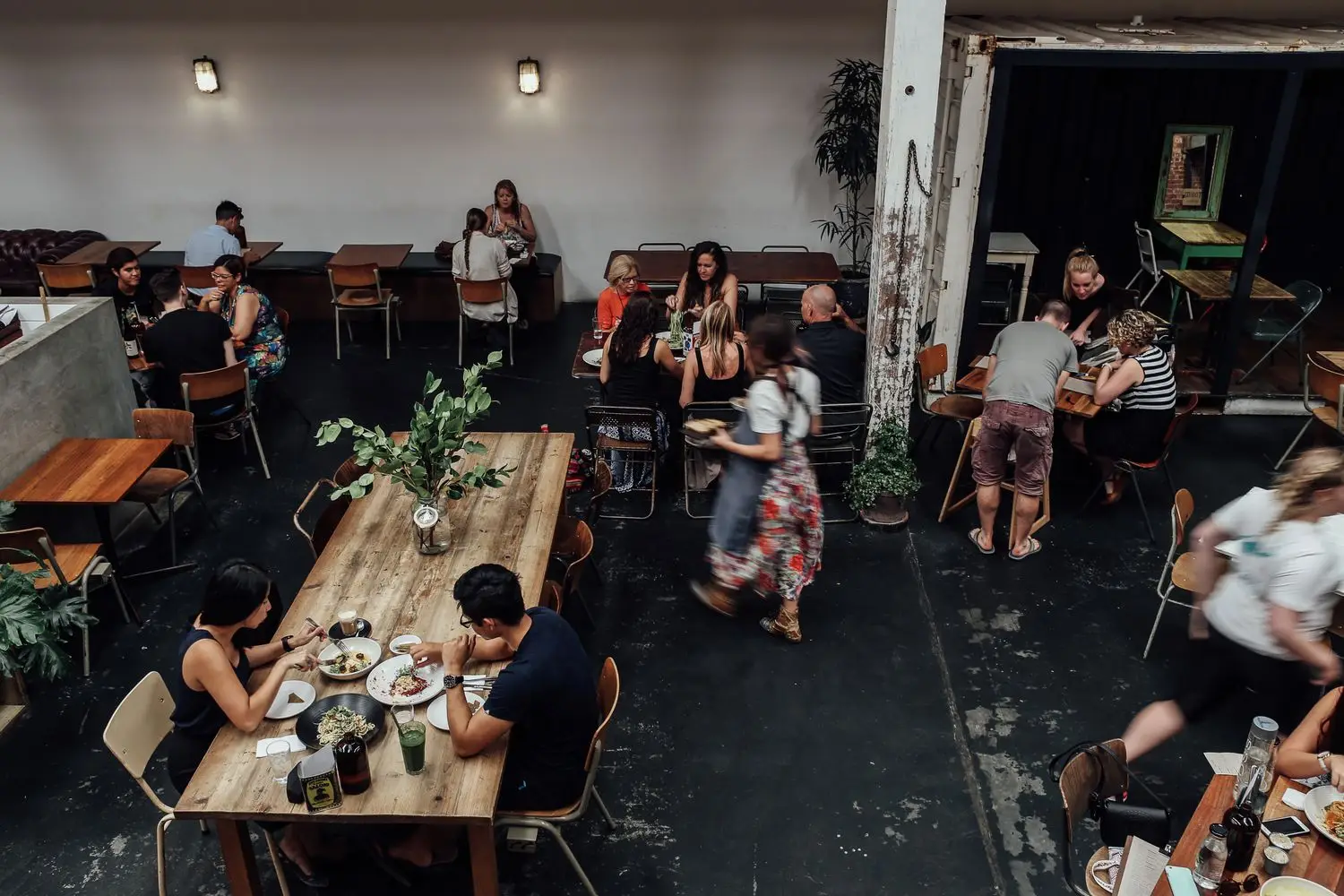
The restaurant began with a desire to create a room where the quality of the cooking is immediately clear, but the experience remains relaxed. That balance guides everything from the way tables are spaced to the way dishes are described.
Our kitchen takes cues from Sydney itself: coastal produce, multicultural pantry influences, a strong growing culture and a preference for bright, clean flavours. Rather than imitate one regional tradition, we cook in a contemporary Australian language that is open, curious and grounded in local ingredients.
Service follows the same principle. The team is attentive without hovering, informed without reciting, and ready to help guests build the kind of meal they want to have.
Sourcing
We choose suppliers for quality, reliability and transparency, then adjust the menu as availability changes.
We accept variation in size, colour and variety when it means produce has been harvested at a better moment.
Trim, stems and secondary cuts are considered during menu development so more of each ingredient can be used intelligently.
Kitchen observations are shared with suppliers, helping us adapt orders, timing and preparation as each season changes.
Kitchen craft
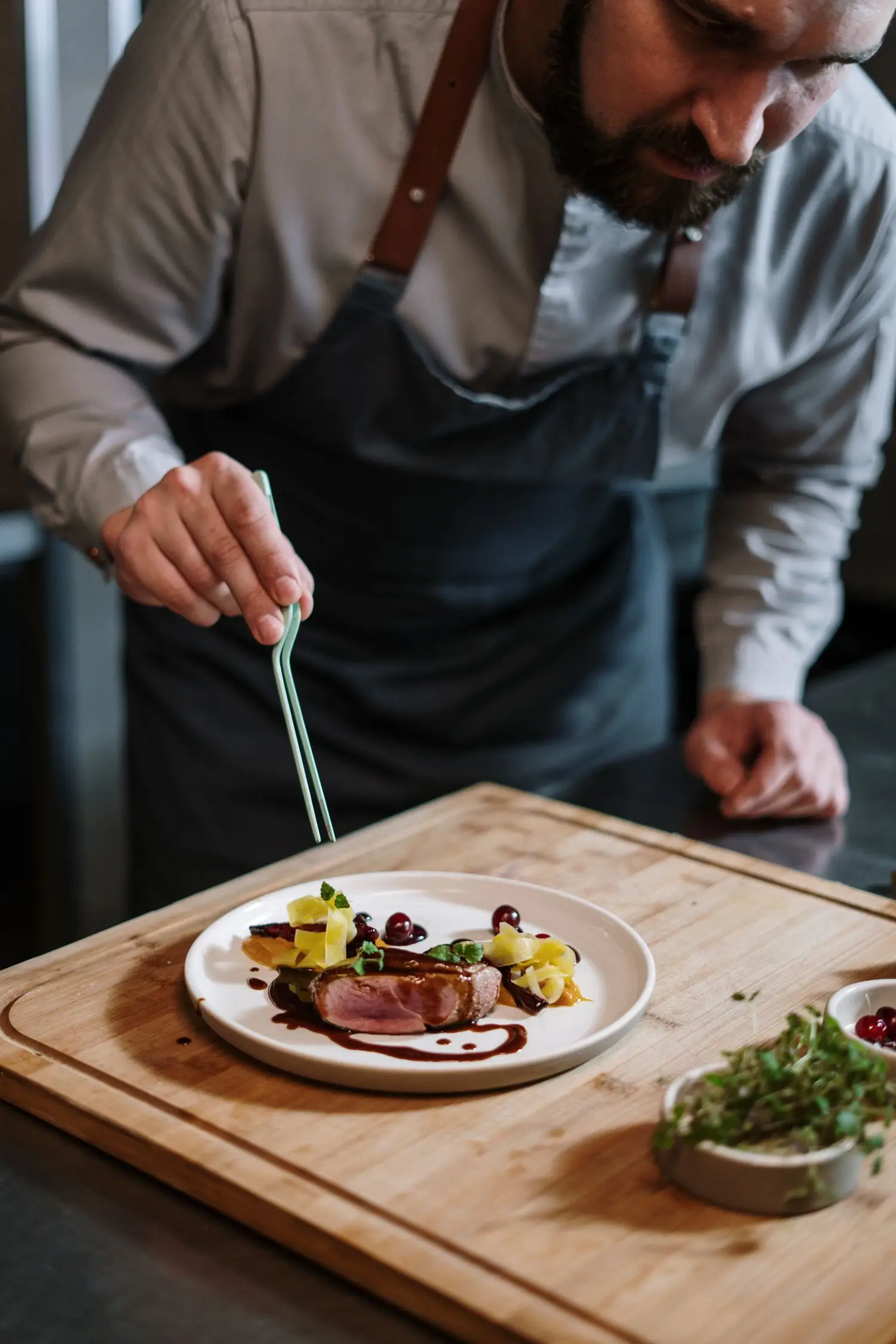
Our food relies on disciplined fundamentals: clean stocks, controlled roasting, careful seasoning, fresh dressings and precise finishing. More technical processes are used only when they make an ingredient taste clearer or improve its texture.
Each service is supported by a detailed preparation rhythm. Sauces are checked, vegetables are cut close to service, garnishes are refreshed and proteins are portioned with consistency in mind. Those quiet systems are what allow the dining room to feel calm.
See the dining experience →Our principles
Menus, service and flavours should be easy to understand without becoming predictable.
Details matter, especially the ones guests do not need to notice for the experience to feel smooth.
Good ingredients provide direction. We follow their timing rather than asking them to follow ours.
Hospitality should feel attentive, generous and comfortable from arrival to departure.
People and pace
Restaurant work depends on communication. Our front-of-house and kitchen teams share information before service so dietary notes, timing requests, menu changes and table plans are understood before guests arrive.
Training focuses on practical knowledge: how a dish is prepared, where key ingredients come from, how the menu is paced and when to ask for support. The goal is not scripted hospitality. It is confident, informed service that can adapt to the tone of each table.
We also review service after busy periods. Small observations about timing, lighting, table spacing or menu explanation are treated as useful operational feedback. That steady refinement is part of how the restaurant develops without losing its character.
Supplier relationships
We work best with suppliers who can give practical information about harvest timing, handling, size, maturity and expected availability. Those details help the kitchen choose the right technique and avoid designing dishes around ingredients that will not be consistent from week to week.
Orders are reviewed as seasons shift. A grower may suggest a different variety, a fish supplier may flag a change in the day’s landing, or a small producer may have a short run of something exceptional. The menu has enough flexibility to respond to those opportunities while keeping the overall style coherent.
Price matters, but it is not the only measure. Reliability, freshness, transparency and the ability to communicate quickly all influence purchasing decisions. The goal is a supply chain the kitchen understands well enough to make better choices every day.
Continuous refinement
We review what guests experience as carefully as we review what is on the plate.
After service, the kitchen records observations about yield, timing, seasoning and guest response. Those notes help decide whether a dish needs a small adjustment or whether an ingredient has reached the end of its best period.
Lighting, sound, table spacing and service flow are monitored during busy periods. Small practical changes can improve comfort without changing the calm character of the dining room.
Brief pre-service and post-service conversations keep information moving between the floor and kitchen. That shared context helps the team respond consistently when bookings, dietary notes or menu details change.
Come in
We welcome solo diners, couples, families, business lunches and small groups throughout the week.